Low cortisol aim or high-energy flicking in Valorant and which style wins more duels
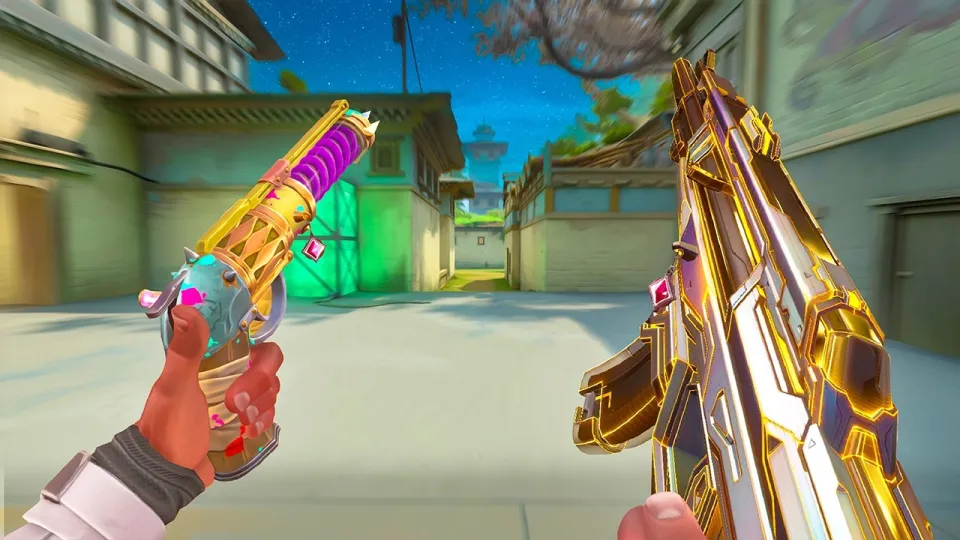
Video: low cortisol aim..
Need articles like this for your video? They help promote it on YouTube and Google — order them in the Telegram bot @sat_sit_bot. The bot writes and publishes the articles itself (with your YouTube video embedded) on popular topical websites (no ads). Try it free: 50 articles on us.
· based on the channel Rawzu
Low cortisol aim in Valorant is a deliberately relaxed aiming style: loose grip, calm wrist, heavy reliance on pre-aim and crosshair placement instead of fast reactive flicks. It is not a sensitivity trick or a magic setting — it is a way of holding the mouse and approaching each duel so the first bullet lands where the crosshair already sits. Rawzu's Phoenix montage "low cortisol aim.." is a clean demonstration of the idea, and you can grab the same kind of setup help through the Hone optimization page used by the channel.
The style matters because Valorant's gunplay punishes tension. Vandal and Phantom spray resets, Operator holds and pistol-round taps all depend on the crosshair being still at the moment you click. A player who grips hard and flicks constantly spends the first few milliseconds of every fight correcting, while a calm player has already lined the angle up before the enemy appears.
What low cortisol aim actually means in Valorant
Low cortisol aim describes a low-stress, low-tension approach to mouse control, and its core idea is that accuracy comes from preparation rather than reaction speed. The term borrows the language of stress hormones to make a simple point: a relaxed hand is a precise hand. In practice it shows up as a looser palm grip, slower and smoother micro-corrections, and a habit of holding angles with the crosshair already at head height.
It is the opposite of the exaggerated flick-heavy highlight style many aim clips push. Both approaches can produce kills, but they fail in different ways. Flick-heavy aim breaks down when the target moves unpredictably or when the player is tired; calm aim breaks down when a player is too passive and never adjusts to off-angles. The best Valorant players blend the two, defaulting to calm placement and saving fast flicks for genuine surprises.
The Rawzu setup behind the calm Phoenix gameplay
Rawzu's published settings are a useful reference point because they show how little the gear matters compared with the habit. His listed configuration:
- Sensitivity: 400 DPI with 0.625 in-game sensitivity.
- Resolution: 1440x1080, a stretched 4:3-style aspect that widens player models.
- Crosshair: 1-6-2-2, a compact static crosshair with no movement or firing error.
- Mouse: Logitech G Pro X Superlight 2.
- Mousepad: Artisan Zero Soft, a control-oriented cloth pad.
- Monitor: Zowie XL2566K at 360Hz.
Two details stand out. The Artisan Zero Soft is a slower pad than the speed-focused options many aimers prefer, and a slower surface naturally damps small involuntary movements — exactly what a low-tension style needs. The 360Hz monitor reduces the visual delay between seeing an enemy and reacting, which lets a calm player trust pre-aim instead of panic-flicking. Neither item creates calm aim, but both make it easier to maintain.
Why Phoenix suits a relaxed aiming style
Phoenix is an offensive duelist whose kit rewards controlled aggression, which makes him a natural fit for calm aim. Blaze creates a vision-blocking wall that also damages enemies walking through it, so Phoenix can take space without exposing himself to a straight-up aim duel. Curveball blinds enemies even behind corners, meaning the flash does the hard work and the follow-up shot is a simple, pre-aimed tap. Hot Hands gives healing and area denial, and Run it Back lets him re-enter a fight after dying.
The pattern is consistent: Phoenix's abilities create advantages that reduce the amount of raw flicking required. A player with low cortisol aim uses Curveball to force enemies out of position, walks the Blaze wall to close distance, and then only needs a short, steady correction. That is why the agent appears so often in calm-aim montages — the kit produces clean, readable duels instead of chaotic 180-degree sprays.
How to build calm aim in your own Valorant games
Calm aim is trainable, and the routine is less glamorous than the highlight clips suggest. Work through these in order:
- Lower your grip pressure. Hold the mouse as if it were an egg you do not want to crack; tension in the forearm is the most common cause of shaky tracking.
- Fix crosshair placement first. Spend a deathmatch session only holding angles at head height and never flicking unless the enemy genuinely appears off-screen.
- Slow your sensitivity until micro-corrections feel comfortable. Rawzu's 400 DPI at 0.625 is on the lower end of the eDPI range, and many calm aimers land between roughly 200 and 300 eDPI.
- Practice smooth tracking before flicking. Short, controlled strafes with a steady crosshair build the muscle memory that flick drills skip.
- Warm up with low-intensity drills. Ten minutes of calm one-taps beats thirty minutes of frantic flick training if your goal is consistency across a long session.
- Review deaths where you overflicked. Most missed duels in Valorant come from moving the mouse too far, not too little.
A control mousepad, a lightweight mouse and a high refresh monitor all help, but they are multipliers on the habit, not substitutes for it.
Common questions about calm aim and highlight clips
Viewers of the Rawzu video raised several recurring doubts, and they map onto questions every player has when trying a slower style.
Does calm aim mean playing passively? No. Low cortisol aim is about how you move the mouse, not how you take space. Phoenix is one of the most aggressive agents in the game, and the calm style works precisely because it lets you entry without wasting the first shot.
Why do montage clips look so different from normal ranked games? Highlight videos compress dozens of games into a few minutes, so every duel looks decisive. In ranked, the same player misses, repositions and plays utility far more often than the edit shows.
Do the settings matter more than technique? Settings are a floor, not a ceiling. A 400 DPI, 0.625 sensitivity and a compact crosshair give a stable base, but a player with shaky grip pressure will still overflick on any setup.
Is a slow mousepad bad for fast flicks? It costs some raw speed, but the Artisan Zero Soft-style control surface makes small corrections more predictable, which is why many precision-focused players prefer it.
Useful links
- Hone PC optimization for Valorant — the partner link from the video description.
- Rawzu's original music on Spotify.
- Rawzu Discord community.
The verdict on low cortisol aim
Low cortisol aim is a legitimate, repeatable approach to Valorant gunplay rather than a meme, and it is the better default for most players because it builds consistency instead of relying on peak reaction speed. The Rawzu setup — 400 DPI at 0.625, a 1440x1080 stretched resolution, a 1-6-2-2 crosshair, a Superlight 2 on an Artisan Zero Soft and a 360Hz Zowie — is a sensible template for anyone who wants steady first bullets. Combine that gear baseline with a loose grip and disciplined pre-aim, and the calm style will outperform frantic flicking across a long ranked session. Rawzu's channel is a good place to see the style applied to Phoenix specifically, and if you want the same optimization baseline the channel uses, start with Hone.
Key takeaways
- Low cortisol aim is a relaxed, low-tension aiming style built on smooth tracking, pre-aim and minimal grip pressure rather than fast reactive flicks.
- Rawzu plays Phoenix with 400 DPI and 0.625 in-game sensitivity, 1440x1080 resolution and a 1-6-2-2 crosshair.
- His setup: Logitech G Pro X Superlight 2, Artisan Zero Soft mousepad and a Zowie XL2566K 360Hz monitor.
- Phoenix kit (Blaze wall, Curveball blind, Hot Hands, Run it Back) rewards calm entry timing more than raw flick speed.
- Lower tension in the hand and forearm usually means steadier first-bullet accuracy and fewer overflicks in close-range duels.
Questions & answers
What does low cortisol aim mean in Valorant?
It describes a relaxed, low-tension aiming style that relies on pre-aim, crosshair placement and smooth micro-corrections instead of fast reactive flicks. The goal is a steady first bullet rather than a highlight-reel flick.
What sensitivity and settings does Rawzu use?
Rawzu lists 400 DPI with 0.625 in-game sensitivity, a 1440x1080 resolution and a 1-6-2-2 crosshair. His peripherals are a Logitech G Pro X Superlight 2, an Artisan Zero Soft mousepad and a Zowie XL2566K 360Hz monitor.
Is Phoenix a good agent for calm aim players?
Yes. Blaze and Curveball create vision advantages that reduce the need for raw flicking, while Hot Hands and Run it Back add sustain. That lets a calm player take space and finish duels with short, pre-aimed corrections.
Should I switch to a slower mousepad for better aim?
A control pad like the Artisan Zero Soft damps small involuntary movements and makes corrections more predictable, which suits calm aim. It costs some raw flick speed, so players who rely on fast reactive aim may prefer a faster surface.
Source: low cortisol aim.. · Markdown version